Ora vs Process Street
Ora and Process Street address workflow management very differently. Ora is a sleek daily planner for project collaboration and flexible task execution. Process Street focuses heavily on compliance, SOPs, and process enforcement. This comparison helps you choose between focused project delivery and scalable, auditable process adherence.
Best for: Small creative agencies and startups (up to 10 users) needing a free PM tool., Teams requiring seamless visual feedback using annotations on images and videos.
Best for: Regulated industries (finance, healthcare) needing SOC 2, ISO 9001, or FDA governance., Large organizations focusing on standardized SOP enforcement across multiple departments.
The Modern, User-Friendly Command Center
We found Ora provides an impressive balance between comprehensive features and usability, positioning itself as a strong alternative to established systems. Its generous free tier and unique calendar-focused organization greatly benefit small, growing teams and individuals. Overall, we recommend Ora highly for collaborative organizations seeking a focused, effective project management solution.
Pros
- Generous free plan available for small teams (up to 10 users) forever.
- Exceptional user-friendliness; users prefer it over competitors like Trello.
- Comprehensive task cards support RTF, Markdown, and custom code highlights.
- Agenda Calendar helps users achieve better focus and plan dedicated work time.
Cons
- External review volume is currently very limited (only 3 Trustpilot reviews).
- File size limit is restrictive on the Basic (free) tier (a maximum of 10mb).
AI-Powered Compliance and Operational Standardization
We find Process Street highly effective for organizations needing to enforce strict operational policies and ensure consistency across large, distributed teams. Overall, the powerful combination of AI automation and centralized document control makes this an essential tool for compliance-driven scaling.
Pros
- AI-enforced workflows guarantee policy compliance.
- Cora AI agent monitors regulations and flags risks 24/7.
- Centralizes policies into live, audit-ready workflows (DOCS).
- Drives consistency and accountability across global teams.
Cons
- Pricing is not publicly disclosed, requiring custom quotes.
- No transparent tiers or fixed subscription costs available.
- Specific features and user limits depend on individualized packages.
- May be overwhelming or costly for very small teams without complex compliance needs.
AboutOra
Ora is a powerful platform designed for productive individuals and collaborative teams. It serves as your daily planner and central hub for managing work. The core Agenda Calendar helps you organize your time and be more effective. Instead of dealing with separate tools, all your critical information, tracked time, and completed tasks appear directly on your calendar. You can quickly view both your tasks and those of your teammates, ensuring smooth collaboration. 💡
AboutProcess Street
Process Street is the compliance operations platform. It helps your business automate consistency and ensure everything is documented correctly.
It's trusted by over a million users to standardize workflows and prove their execution. This tool uses AI to automate essential business processes and enforce policies rigidly.
It ensures you can always deliver audit-ready proof, consistently. The platform handles policy control (DOCS), workflow automation (OPS), and managing risk with its 24/7 AI compliance agent, CORA.
Highlights
Feature Comparison
Features Overview
We highlight the main differences and pick a winner for each feature.
Core Purpose
Ora maximizes personal focus and team execution; Process Street enforces compliance and process scale.
Ora acts as a daily command center and planning tool for effective individual work. The Agenda Calendar helps schedule tasks and block dedicated time. Ora is built around managing diverse projects easily. Process Street is a compliance operations platform enforcing policies and automating auditable workflows. Process Street ensures repeatable steps and standardized quality across departments. Ora is a flexible PM tool for *doing* work; Process Street is a policy tool for *defining and enforcing* work. The focus is execution (Ora) versus control (Process Street). If your workflows vary daily, Ora provides the needed flexibility. If your workflows must be rigid and standardized, Process Street is essential.
Compliance & Auditability
Process Street delivers mandatory audit-ready proof for regulated environments. Ora lacks dedicated governance features.
Ora provides clarity through time tracking and centralized task documentation for projects. Ora facilitates project transparency but is not compliance-focused or built for regulation. Process Street centralizes policies with full governance for standards like ISO 9001 and SOC 2. Process Street's workflows automatically generate audit-ready records that travel with tasks. Process Street includes CORA, an AI agent monitoring for compliance risk proactively. Ora focuses on project status reporting, not regulatory adherence assurance. Audit requirements immediately point toward Process Street.
User Interface & Experience
Ora is consistently praised for superior user-friendliness; Process Street is robust but initially complex.
Reviewers often call Ora user-friendly and superior to older tools like Trello in experience. Its strengths are visual task cards and the focused Agenda view. Ora helps individuals achieve better focus quickly. Process Street's power stems from highly structured, enforceable SOP workflows and centralized controls. Setting up complex compliance automation may be a significant undertaking. Ora prioritizes ease of use and individual productivity right out of the box. Process Street prioritizes process rigor and organizational control across complex operations. A team prioritizing immediate adoption and quick effectiveness should lean toward Ora.
Pricing & Value
Ora offers a powerful free tier for small teams; Process Street pricing is proprietary and focused on enterprise value.
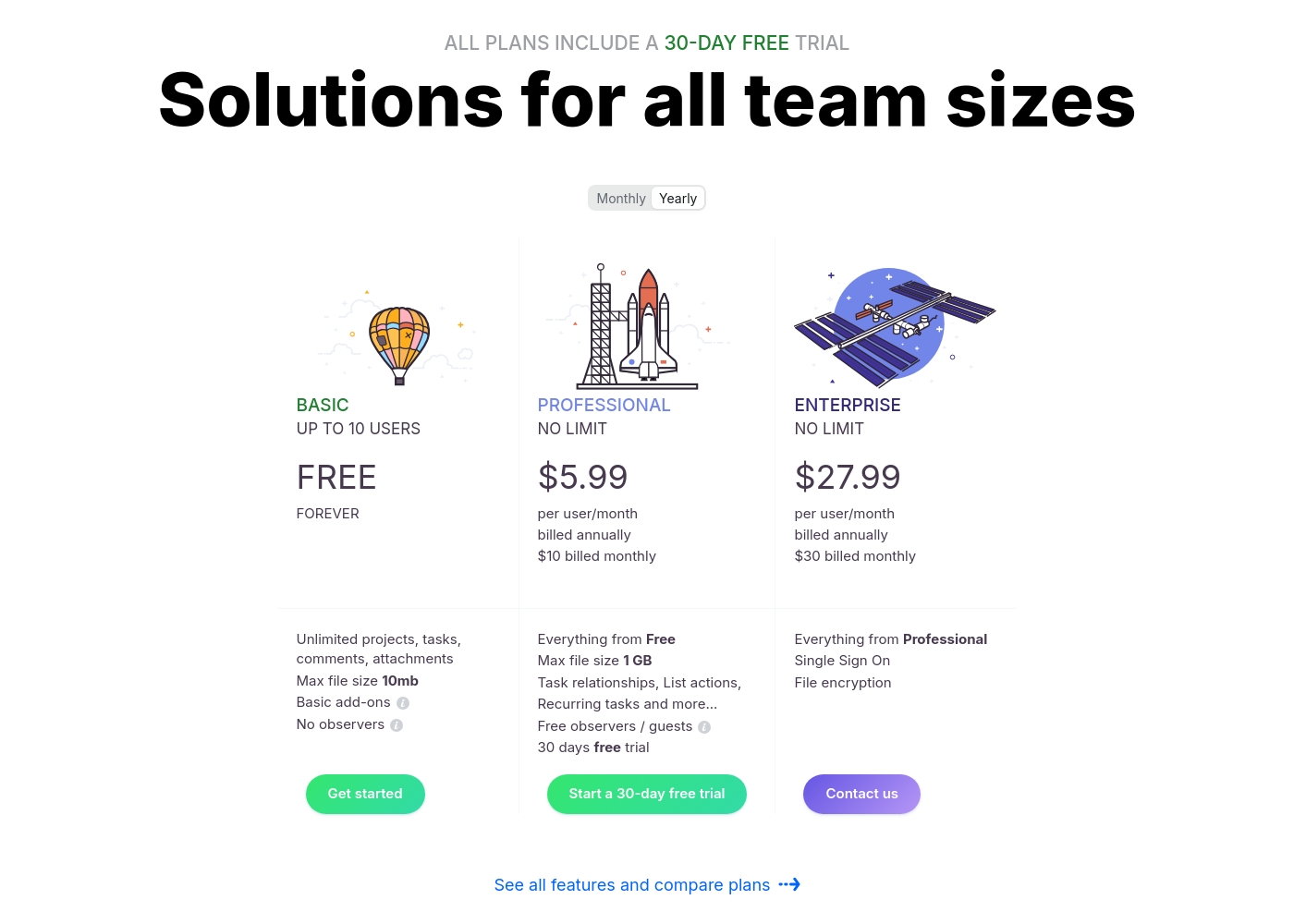
Ora's Basic plan is free forever and includes unlimited projects and tasks for up to 10 users. The Professional tier starts low at $5.99/user/month when billed annually. Ora offers outstanding initial value. Process Street pricing is vague, listed only as "1–9001," suggesting custom or quote-based enterprise pricing. The value often comes from reduced errors and faster audits, justifying a higher cost. Ora is highly accessible for startups and smaller budgets due to the generous free plan. Process Street is clearly tailored toward organizations willing to pay for sophisticated regulatory assurance features. If budget scalability is a concern, Ora gives a clear path from free to low-cost paid tiers.
Collaboration Features
Ora excels at integrated visual feedback and guest access; Process Street focuses on accountability within steps.
Ora allows you to annotate images, PDFs, and videos directly with comments, streamlining creative reviews. It also allows free observers and guests on paid plans. This reduces external review cycles dramatically. Process Street’s collaboration centers on enforcing that everyone follows established, standardized steps correctly. It provides real-time visibility into who is accountable for moving a process forward. Ora is better for collaboration involving creative assets and external reviewers/clients. Process Street is stronger for internal accountability and rigorous policy adherence. Creative or marketing teams will find Ora’s visual feedback tools invaluable for faster delivery.
Documentation Flexibility
Ora supports rich formatting and code within tasks; Process Street focuses strictly on searchable SOP structure.
Ora’s Task Cards provide high flexibility for rich documentation and specification writing. They support RTF, Markdown, and even specific code highlighting inside the task description. This is very useful for development teams. Process Street centralizes policies and SOPs into highly structured, searchable steps. This design is focused on repeatable process adherence and quick adoption during onboarding. Ora is ideal for technical teams needing to embed documentation and external references directly in tasks. Process Street ensures process documentation is standardized organization-wide. If you're managing complex software development tasks, Ora's documentation features are a huge advantage.
Ora costs between $0 and $30 per user/month with three plans: Basic at $0, Professional starting at $5.99 per user/month, and Enterprise starting at $27.99 per user/month.
We provide solutions for all team sizes, ensuring you only pay for the features and scale you truly need.
Ora Basic
Price: $0.00 / month (Free Forever) Best For: Teams of up to 10 users needing core project management and collaboration. Other Features:
- Unlimited projects, tasks, comments, and attachments
- Max file size is 10mb
- Includes Basic add-ons
- Supports up to 10 organization members
- Unlimited projects
- Unlimited tasks, comments, attachments
- Web, desktop, iOS, and Android apps
- Max file size 1 GB
- Task relationships
- Recurring tasks
- List actions (automation)
- Free observers / guests
- Single Sign On (SSO)
- File encryption
- Everything from Professional tier
The specific tiers and features included in Process Street's subscription models are not publicly listed in this documentation. Interested users are directed to contact their team for specific pricing.
Pricing Details Available Upon Contact
Best For: Businesses requiring streamlined compliance, AI-powered automation, and strict operational standardization. Other Features:
- The Cora AI compliance agent monitors regulations and flags risks 24/7.
- Automated workflows (OPS) turn policies into repeatable, trackable tasks.
- Centralized document control (DOCS) manages policies for ISO 9001 (and others).
- Real-time visibility into task status and workflow tracking.
- AI-powered intelligence helps generate new workflows quickly.
If you're ready to explore how Process Street can transform your compliance posture and operations, reaching out to their experts is the next step. This customized approach ensures your organization receives the exact feature set and support levels needed for consistent auditing and standardization, especially in highly regulated industries.
- Cora AI compliance agent
- Automated workflows (OPS)
- Centralized policy control (DOCS)
- AI-enforced operational consistency
- Knowledge management
Pricing Notes
- Ora provides a generous forever-free Basic plan for up to 10 users, making it highly accessible for small teams.
- Process Street's pricing details are extremely vague ("Plans from 1") and likely require custom enterprise quoting.
- Ora offers clear per-user pricing where annual billing (e.g., $5.99/user/month) is cheaper than monthly ($10/user/month).
- Process Street focuses on value via accuracy, regulatory compliance, and faster audits, which typically justifies a higher, less public pricing structure.
Pricing Head-to-Head
User Reviews
Customer sentiment for Ora is strongly positive, emphasizing its robust capabilities and outstanding usability. Several reviewers highlight that Ora is exceptionally user-friendly and superior to competitors like Trello, even though it is a relatively younger product.
Users rely on the platform daily for managing diverse projects, and one reviewer called it simply "the best platform for PM." While the current feedback volume is low, the recurring themes suggest high satisfaction regarding core functionality and daily reliability. The enthusiasm indicates that users find the platform’s functional depth combined with its ease of use provides strong value for teams seeking a productive command center.
Ora is one of my favorite daily web services for managing various tasks. It’s exceptionally user-friendly and handles diverse projects easily. I recommend it as a superior option compared to Trello.
We aimed to synthesize external user sentiment for Process Street, balancing insights from both Trustpilot and Capterra. Although we located the Capterra listing URL, the provided materials did not contain specific textual snippets or testimonials from real users.
This severely limits our ability to report on recurring community themes regarding critical aspects like customer support responsiveness, the learning curve, or implementation success across various industries. Since Process Street employs a quote-based, non-public pricing model, external user feedback is crucial for assessing perceived value for money that customers experience after implementation.
Our Verdict
Deciding between Ora and Process Street comes down to your core mission. Ora is your flexible daily project manager, focused on execution and visual ease of use. Process Street is your rigorous compliance engine, enforcing standardization. If you need a gorgeous, highly functional task tool, look at Ora. If policy enforcement and governance are paramount, Process Street wins. Ora excels at making project collaboration feel effortless and easy. It offers a generous free plan, accessible to teams under 10 members forever. Ora's unique Agenda Calendar helps you master focus and block dedicated time for active work. Collaboration features are strong, including free observers and built-in annotation for media reviews. Process Street dominates the world of operational integrity and compliance enforcement. It turns fragmented policies into live, audit-ready workflows checked by the CORA AI agent. Process Street is built for scale, standardization, and rigorous process enforcement. This level of governance is crucial for meeting strict regulatory standards like SOC 2 or ISO 9001. The key difference is control versus flexibility in your workflow management. Ora gives project managers visual control over tasks and schedules effortlessly. Process Street gives compliance teams absolute control over process adherence. Use Ora if your main goal is efficient daily task completion for a small team project. If you run a small creative team and prioritize user experience, Ora is the superior and cheaper choice. If you are an enterprise focused on repeatable compliance for 500+ employees, Process Street is the necessary investment. Ora focuses on getting projects done; Process Street focuses on getting processes right.
Frequently Asked Questions
Which is better for collaborative feedback: Ora or Process Street?
Ora is better for robust internal and external feedback loops. Ora allows users to annotate images, PDFs, and even videos directly within the task card. Process Street focuses more on auditable process enforcement.
Does Ora offer a free plan like Process Street?
Ora offers a perpetually free Basic plan for up to 10 users with unlimited projects and tasks. Process Street's pricing is not clearly advertised and lacks a confirmed free tier for team use.
Which tool is best for highly regulated industries seeking compliance?
Process Street is specifically marketed as a compliance operations platform designed for regulation. It handles governance for standards like SOC 2 and ISO 9001. Ora is a general project management tool.
Does Process Street include features for AI compliance monitoring?
Yes, Process Street utilizes CORA, an AI compliance agent. CORA monitors ongoing workflows, enforces controls automatically, and proactively flags risks and policy gaps.
Can Ora handle detailed documentation like code snippets?
Yes, Ora's Task Cards are highly flexible for rich documentation. They support RTF, Markdown, and even specific code highlighting directly within the task description.
Is Process Street difficult to learn compared to Ora?
Ora is frequently praised for being exceptionally user-friendly right away. Process Street, due to its deep governance and enforcement focus, might have a steeper initial setup.
Ready to Choose?
Both tools have their strengths. Choose based on your specific needs.