Angels Partners vs Ignition
Angels Partners and Ignition solve completely different problems. Angels Partners connects startup founders with investors. Ignition automates proposals and billing for service businesses. Your choice depends entirely on whether you're raising capital or running a client-based business.
Best for: Startup founders at any stage (pre-seed to Series A+), Founders who want to stop cold emailing investors blindly
Best for: Freelancers and agencies tired of manual invoicing., Consultants and service providers billing by project or retainer.
Solid tools for founder-led outreach.
We find Angels Partners offers a clear, community-focused platform for connecting founders with investors through secure document sharing and engagement tracking. Overall, it provides valuable structure for fundraising, though a lack of public reviews makes it hard to fully assess long-term reliability and user support.
Pros
- Community-driven model helps founders get discovered by active investors.
- Secure document sharing with real-time engagement tracking and analytics.
- Multiple pricing tiers cater to different stages, from self-managed to fully supported.
- No equity taken on raised capital; subscription model with a free trial available.
Cons
- No accessible external user reviews found for independent validation.
- Limited transparency on refund policies and specific platform limitations.
- Pricing can escalate quickly for higher tiers, which may strain early-stage budgets.
- Reliance on the community model may not suit founders preferring a more direct, algorithmic approach.
Solid automation for getting paid faster.
We found Ignition to be a robust platform that truly automates the proposal-to-payment cycle, saving service businesses considerable admin time and improving cash flow. Overall, it's an excellent choice for firms wanting to professionalize their client onboarding and eliminate manual invoicing work.
Pros
- Automates proposals, agreements, and upfront billing in one flow.
- Helps eliminate manual payment chasing and reduces accounts receivable delays.
- Provides professional templates and tools to upsell and capture additional work.
- Saves significant admin time with bulk actions and automated renewals.
Cons
- Pricing, likely annual, may be a barrier for some budgets.
- Requires commitment to a specific workflow, not a simple standalone invoicer.
- Initial setup and learning curve can be steep for some users.
- May have limitations with deep integrations for non-standard accounting software.
AboutAngels Partners
Angels Partners is a platform built for startup founders and investors. It creates a space where founders can get discovered by an active investor community. At the same time, it provides tools for secure document sharing and engagement tracking. Think of it as a focused network for fundraising conversations and connections. 💡
AboutIgnition
Ignition is a platform for service businesses that want to automate proposals, agreements, and billing. 🔄 It's designed for professionals who bill clients for projects or recurring work. The goal is to make getting paid a seamless, automatic part of starting a new engagement.
Highlights
Feature Comparison
Features Overview
We highlight the main differences and pick a winner for each feature.
Core Purpose
Angels Partners is for fundraising. Ignition is for getting paid.
Angels Partners connects startup founders with over 100,000 investors. You create a founder profile and get discovered by VCs and angel investors actively sourcing deals. It's a focused network for fundraising conversations. Ignition automates the entire client proposal-to-payment cycle. It lets service businesses collect payment details upfront in proposals and bill automatically. It's designed to eliminate manual invoicing and payment chasing. The key difference is your business model. Angels Partners is a capital-raising tool. Ignition is an operations and cash-flow tool.
Document Handling
Angels Partners shares pitch decks. Ignition sends contracts.
Angels Partners lets you share pitch decks securely with email or password protection. You can revoke access instantly and track who opens, views, and clicks. You get view duration and activity data. Ignition creates professional online proposals and agreements. It bundles the contract with payment collection. Clients review, sign, and pay in one seamless flow. The focus is different. Angels Partners is about tracking investor interest in your materials. Ignition is about closing the deal and starting the work.
Financial Automation
Angels Partners has no billing features. Ignition's core strength is billing.
Angels Partners does not handle client billing or payments. Its value is in connecting you with investors to raise capital. It charges a subscription fee but takes no equity or success fees on funds raised. Ignition automates the entire billing process. It collects payment details upfront, creates recurring billing schedules, and invoices for scope changes instantly. It's built to improve cash flow predictability. This is Ignition's superpower. If you bill clients, this automation saves massive amounts of admin time.
Community & Networking
Angels Partners has a founder community. Ignition is a standalone tool.
Angels Partners includes a free Founder Community. You can connect with other founders, exchange warm investor introductions, and collaborate on strategy. It's designed to combat the isolation of fundraising. Ignition focuses on your workflow with clients. There's no mentioned community feature for networking with other service providers. It's a tool to run your business, not a network. If peer support during fundraising matters, Angels Partners offers it. Ignition assumes you're focused on execution.
Reporting & Insights
Both offer analytics, but for different goals.
Angels Partners provides detailed analytics on document engagement. You see open rates, view duration, and click activity for every deck you share. This helps you identify serious investors. Ignition offers AI-powered pricing insights. It helps you analyze and optimize your service pricing strategy. It also provides revenue and payment tracking. The insights serve opposite ends of the business cycle. Angels Partners helps you analyze fundraising efforts. Ignition helps you analyze your pricing and revenue.
Ease of Use
Both aim to simplify their specific workflow.
Angels Partners is described as a focused platform. The goal is to make getting discovered by investors straightforward, replacing scattered cold outreach with a single community hub. Ignition integrates proposals, agreements, and billing into one flow. It uses templates and bulk actions to reduce repetitive admin work. The interface is designed to be professional and efficient. Both tools reduce complexity in their domain. Angels Partners simplifies investor outreach. Ignition simplifies client onboarding and billing.
Customer Support
Support varies by plan tier for both tools.
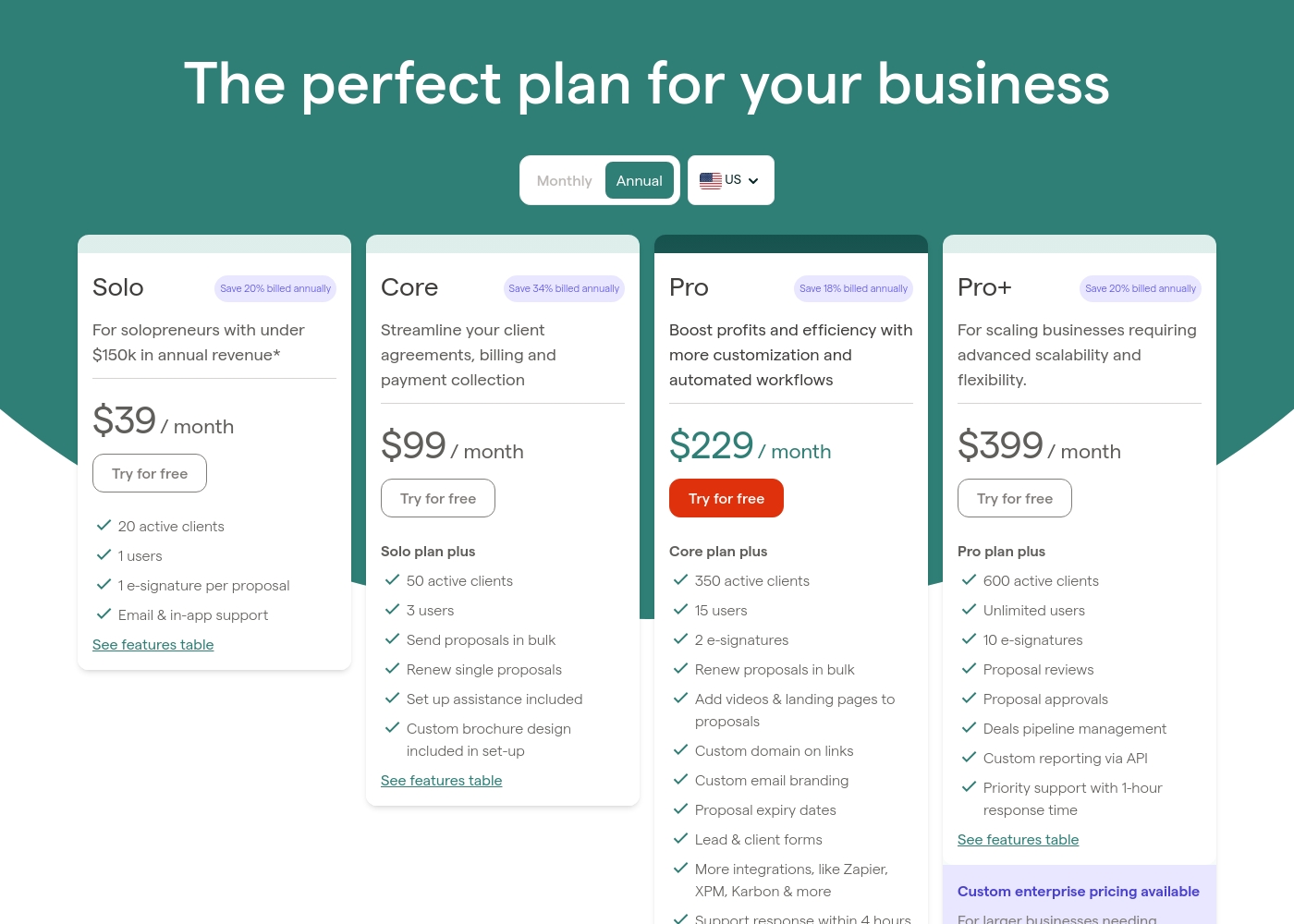
Angels Partners offers Priority Support on the Boost plan and above. A Managed Account includes a dedicated account manager for white-glove service. Specific response times aren't guaranteed publicly. Ignition offers tiered support. Pro+ plans include priority support with a 1-hour response time. Core plans have a 4-hour response. Support is cited as a positive in user reviews. Ignition provides clearer, documented response time guarantees on higher plans.
Integrations
Ignition has a broader integration ecosystem.
Angels Partners includes built-in CRM and tracking tools. It doesn't explicitly list integrations with external software like accounting or project management platforms. Ignition integrates with tools like Zapier, XPM, and Karbon. This connects it to your existing accounting and practice management software. The integration list is more robust. For service businesses, Ignition's integrations can fit into a larger tech stack more easily.
Angels Partners pricing: Angels Partners offers subscription-based plans starting at $79/month billed annually, designed to help founders connect with over 100,000 investors. They provide a range of tiers from self-managed tools to a fully managed fundraising account.
- Basic Plan: $79/mo (Annual)
- Boost Plan: $119/mo (Annual)
- Prime Plan: $329/mo (Annual)
- Managed Account: $599/mo (Annual)
A 7-day free trial is available for new users.

Ignition pricing: Plans from 0 Plans range: 0–200
Pricing Notes
- Angels Partners offers clear, tiered pricing from $79 to $599 per month with annual billing.
- Angels Partners has a free Founder Community tier and a 7-day free trial for paid plans.
- Ignition's exact pricing is not on the public page; plans are tiered by active clients and users.
- Ignition emphasizes annual billing with significant savings over monthly payments.
- Both tools take no equity or success fees on the business they help you generate.
- Angels Partners' pricing is for fundraising access. Ignition's pricing is for ongoing business operations.
Pricing Head-to-Head
User Reviews
We couldn't access any substantive user reviews for Angels Partners during our research. The Trustpilot link returned a 403 Forbidden error, and no Capterra profile was found.
This means we have no external sentiment to balance our website-based assessment. We recommend checking these platforms again later or seeking direct references from current users to gauge real-world satisfaction with accuracy, support, and overall value.
Based on external reviews, Ignition receives praise for automating proposals and billing, which users say saves significant time and eliminates payment chasing. Many appreciate the professional client experience and ease of use, especially for integrating agreements and upfront payments.
💡 However, recurring concerns include pricing, which some find expensive, and occasional technical glitches or integration issues. Support responsiveness is noted as a highlight by many, though a few mention a steep initial learning curve and that the annual billing model isn't ideal for all budgets.
Ignition has transformed our proposal and billing process. Getting payment details upfront means we never chase invoices anymore. The automation saves our team hours every week.
Our Verdict
This isn't a close fight—it's two different tools for two different jobs. Angels Partners wins for startup founders raising capital. Ignition wins for service businesses billing clients. Angels Partners' superpower is connecting you with active investors. It replaces cold outreach with a community where VCs find you. You get secure deck sharing and real-time tracking to know who's interested. Ignition's superpower is automating the pain of getting paid. It collects payment details upfront in proposals and bills automatically. It turns scope changes into immediate invoices, boosting your cash flow. The deciding factor is simple: are you raising money or doing client work? If you're pitching investors, use Angels Partners. If you're sending contracts and invoices, use Ignition. Choose Angels Partners if you're a startup founder needing investor introductions and engagement data. Choose Ignition if you're a freelancer or agency tired of chasing payments. They solve different problems, so pick the one that matches your current challenge.
Frequently Asked Questions
Which is better for small teams: Angels Partners or Ignition?
It depends on your business type. A small startup team raising capital should use Angels Partners. A small service team billing clients should use Ignition. They don't compete.
Does Angels Partners have billing features like Ignition?
No. Angels Partners does not handle client billing or invoicing. Its tools are for fundraising, investor tracking, and document sharing. Ignition is built for billing automation.
Is Ignition worth the extra cost over Angels Partners?
The cost comparison isn't direct. Angels Partners charges for fundraising access. Ignition charges for billing automation. Value depends on whether you need to raise capital or get paid faster.
Can I use both tools for different parts of my business?
Yes, they can coexist. You could use Angels Partners to raise your seed round, then use Ignition to manage client billing once your service product is live. They serve different stages.
Which tool has better customer support?
Ignition offers clearer support guarantees, like 1-hour responses on Pro+ plans. Angels Partners provides priority support on higher tiers but doesn't list specific response times publicly.
Do either of these tools take equity from my business?
No. Both Angels Partners and Ignition operate on subscription models. Neither takes equity or success fees on the capital you raise or the revenue you generate.
Ready to Choose?
Both tools have their strengths. Choose based on your specific needs.