PDWare vs Wing Assistant
PDWare and Wing Assistant solve different problems entirely. One helps you manage projects and portfolios. The other provides a dedicated virtual assistant. Choosing the right one depends on your core need.
Best for: PMOs and R&D departments, Teams needing project portfolio prioritization
Best for: CEOs and leaders needing time reclaimed, Sales teams managing pipelines
Simple, focused portfolio management.
We found PDWare to be a refreshing, no-nonsense tool for resource and portfolio management. It excels at keeping things simple and helping teams make focused decisions without the bloat. Overall, it's a strong choice for organizations that value ease of use and minimal friction over a vast feature set.
优点
- Extremely simple and intuitive to use.
- Requires minimal monthly time for updates.
- Helps keep projects closely aligned with budget.
- Lightweight and avoids unnecessary complexity.
缺点
- Pricing is not publicly listed; requires direct contact.
- Limited details available from external review sources.
- May lack advanced features for very large or complex enterprises.
Managed VA service for scalable support.
We found Wing Assistant to be a strong, managed solution for teams seeking dedicated virtual assistance without hiring overhead. The service emphasizes accountability, embedded workflow management, and continuity. Overall, it's a reliable option for businesses ready to scale operations with a structured partnership.
优点
- Dedicated, managed virtual assistant embedded in your workflows.
- Handles oversight, backups, and performance management for you.
- Scalable model allows adding capacity without rebuilding processes.
- Structured coverage prevents service gaps with backup support.
缺点
- Specific external review data was inaccessible for validation.
- Requires commitment to a subscription for daily coverage blocks.
- Pricing details are not fully itemized in the provided snippets.
关于PDWare
💡 PDWare is a resource and portfolio management tool designed for teams who want clarity without the complication. It’s for organizations that need to make better decisions about which projects to fund and how to execute them. Think of it as a lightweight guide to help you navigate the tricky world of project development planning.
关于Wing Assistant
Wing Assistant is a managed service for virtual assistants. It's built for teams and leaders who need to scale operations without adding full-time headcount. You get a dedicated assistant embedded in your workflows, supported by a platform that handles oversight, backups, and performance. It's for businesses that want work owned—not just tasks completed. 🚀
亮点
功能比较
功能概览
我们强调主要差异并为每个功能选择获胜者。
Core Function
PDWare is project portfolio software. Wing Assistant is a managed virtual assistant service.
PDWare focuses on helping teams manage and prioritize project portfolios. It's built for PMOs and R&D leaders to make funding decisions. Wing Assistant provides a dedicated human virtual assistant. The assistant is embedded in your daily workflows to handle recurring tasks. The key difference is tool vs. service. PDWare gives you software for decision-making. Wing gives you a person for execution. If you need to plan projects, PDWare is your tool. If you need help doing the work, Wing is your partner.
Ease of Use
PDWare is praised for simplicity. Wing is a managed service requiring less daily management from you.
PDWare is designed to be simple and intuitive. Users report spending minimal time on updates, sometimes just an hour a month. The focus is on your work, not the tool. Wing's ease of use comes from its managed model. You don't recruit, train, or supervise the assistant. Wing handles the overhead, so you just delegate and review. PDWare's simplicity is in its interface and setup. Wing's simplicity is in removing management chores. For a PMO wanting a lightweight tool, PDWare wins. For a leader wanting to offload work, Wing's model is easier.
Collaboration
Wing offers a dedicated app for tasks and communication. PDWare focuses on portfolio data sharing.
PDWare's collaboration centers on shared portfolio views and decision-making data. It's designed for teams aligned on project priorities and resource allocation. Wing provides the Wing Workspace App. This app is for creating tasks, sharing files, and communicating directly with your assistant. It works on any device. Wing's collaboration is more interactive and real-time for daily tasks. PDWare's is more about strategic alignment on project plans. Wing's app makes daily communication smoother. PDWare keeps the entire team focused on the same portfolio goals.
Scalability
PDWare evolves with your PMO maturity. Wing scales by adding more hours without new hires.
PDWare is built to grow with your team's project management maturity. It improves with each release, adapting as your needs become more sophisticated. Wing scales by letting you increase your subscription plan. You can move from an 80-hour to a 160-hour plan without rebuilding workflows or signing new contracts. PDWare's scalability is about feature evolution and strategic depth. Wing's is about adding operational capacity. PDWare is better for long-term PMO growth. Wing is better for quickly adding more hands-on support.
Security & Compliance
Wing has certified security (SOC 2, HIPAA). PDWare's security details are unspecified.
PDWare's security and privacy protocols are not detailed in the provided data. You'd need to contact their sales team for specifics on data handling. Wing Assistant is SOC 2 Certified and HIPAA Compliant. It uses managed devices, VDI support, and access controls with auditability. This is a clear advantage for Wing if you handle sensitive or regulated data. PDWare's security posture is unknown from the available information. For organizations in healthcare or finance, Wing's compliance certifications are a significant factor.
Pricing Transparency
PDWare uses custom quotes. Wing has subscription plans with published structure.
PDWare pricing is not publicly listed. You must contact their sales team for a custom quote tailored to your needs and scale. Wing Assistant offers subscription-based pricing. Plans are based on hours (80 or 160) with monthly or quarterly billing. The structure is more transparent. PDWare's approach ensures you pay for exactly what you need, but requires effort to get a quote. Wing's is clearer upfront, though exact numbers aren't in the snippets. Wing's transparency might make budgeting easier. PDWare's custom approach could lead to more tailored costs.
Customer Support
Wing includes a Customer Success Manager. PDWare's support is via sales consultations.
PDWare's support model is tied to the sales and consultation process. You'd ask about response times and SLAs during your quote discussion. Wing includes a Customer Success Manager with every plan. They provide oversight, quality control, and structured backup coverage. Your assistant has a 3-minute response time. Wing's support is proactive and ongoing as part of the service. PDWare's support appears more reactive and tied to account management. Wing offers more structured, included support. PDWare's support details are less defined.
Integration Ecosystem
Wing embeds into existing workflows. PDWare's integrations are limited and custom.
PDWare offers limited details on integrations. You'd need to discuss compatibility with your existing tools during a consultation. Wing is designed to embed into your existing workflows. The Wing Workspace App facilitates communication and task management across devices. Wing's focus is on operational integration. PDWare's is likely on data integration with project management systems. Wing's integration is more about daily work processes. PDWare's is about connecting project data sources.
Time Savings
PDWare saves time on portfolio updates. Wing saves time by delegating entire workflows.
PDWare users report spending minimal time on updates, often just an hour a month. The software streamlines processes instead of adding to them. Wing's time savings come from delegation. Customers report reclaiming 25% of CEO time. The assistant handles recurring tasks, freeing you up. PDWare saves time in a specific, strategic task. Wing saves time across a broad range of operational tasks. PDWare's savings are for portfolio managers. Wing's are for leaders overwhelmed by daily work.
Trial Availability
Neither tool's trial availability is confirmed in the data.
PDWare's free trial status is not specified in the provided information. You'd need to ask during your consultation. Wing Assistant's free trial is also not confirmed. The main call to action is to 'Book a Meeting' or 'Book a Demo'. Without concrete data, we can't determine which offers a trial. Both would likely require a sales conversation to explore options.
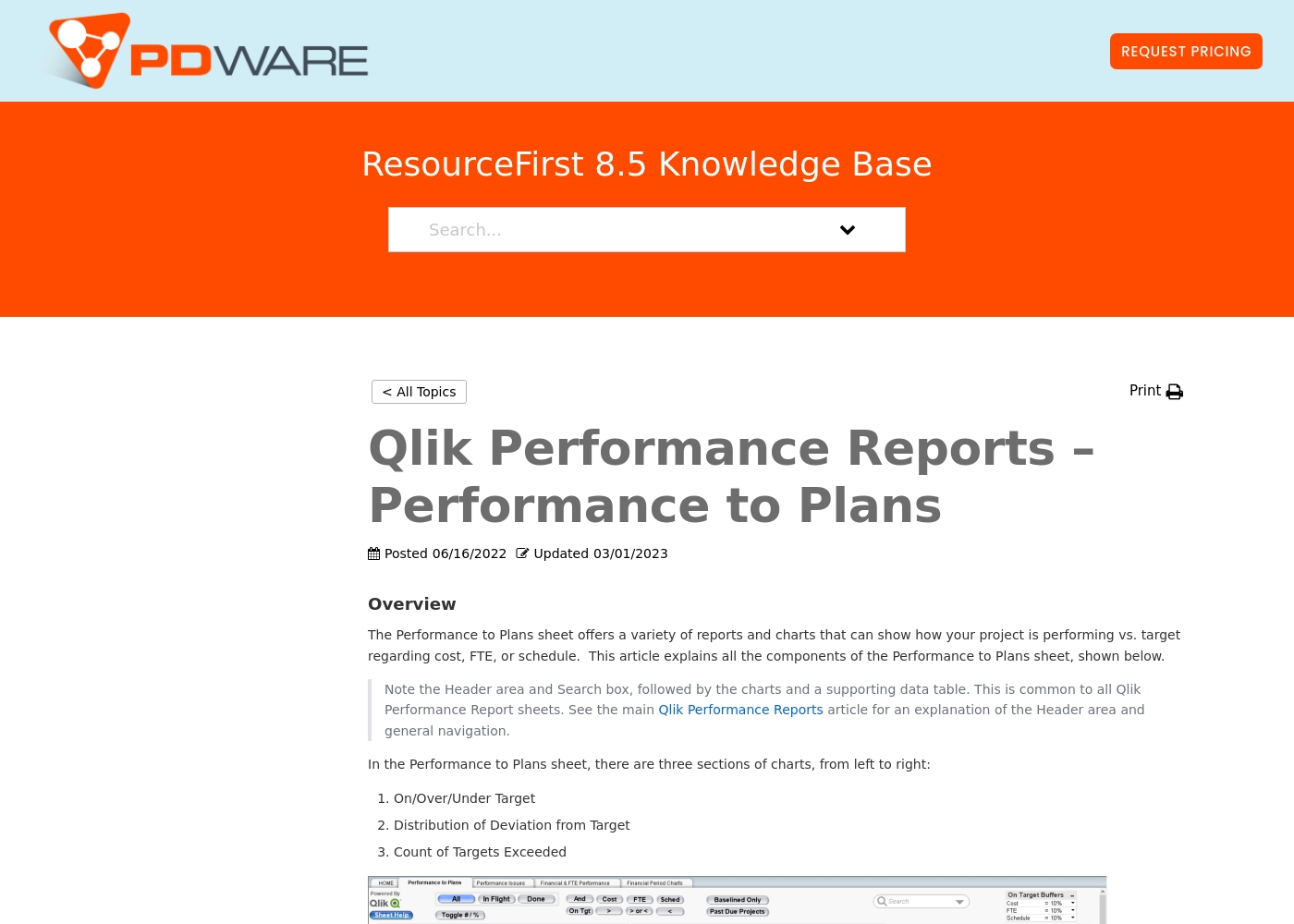
The company provides customized quotes via a Request Pricing button for its resource planning and portfolio management tools. Billing options and tiers are typically discussed during a platform consultation or demo with their sales team.
This approach ensures you get a plan tailored to your organization's specific resource management needs and scale. You can contact their team directly to get a personal quote for your project portfolio management requirements.
Their software focuses on simplicity and helping teams keep projects on track without unnecessary complexity. Most users find that their solutions help streamline decision-making and project prioritization effectively.
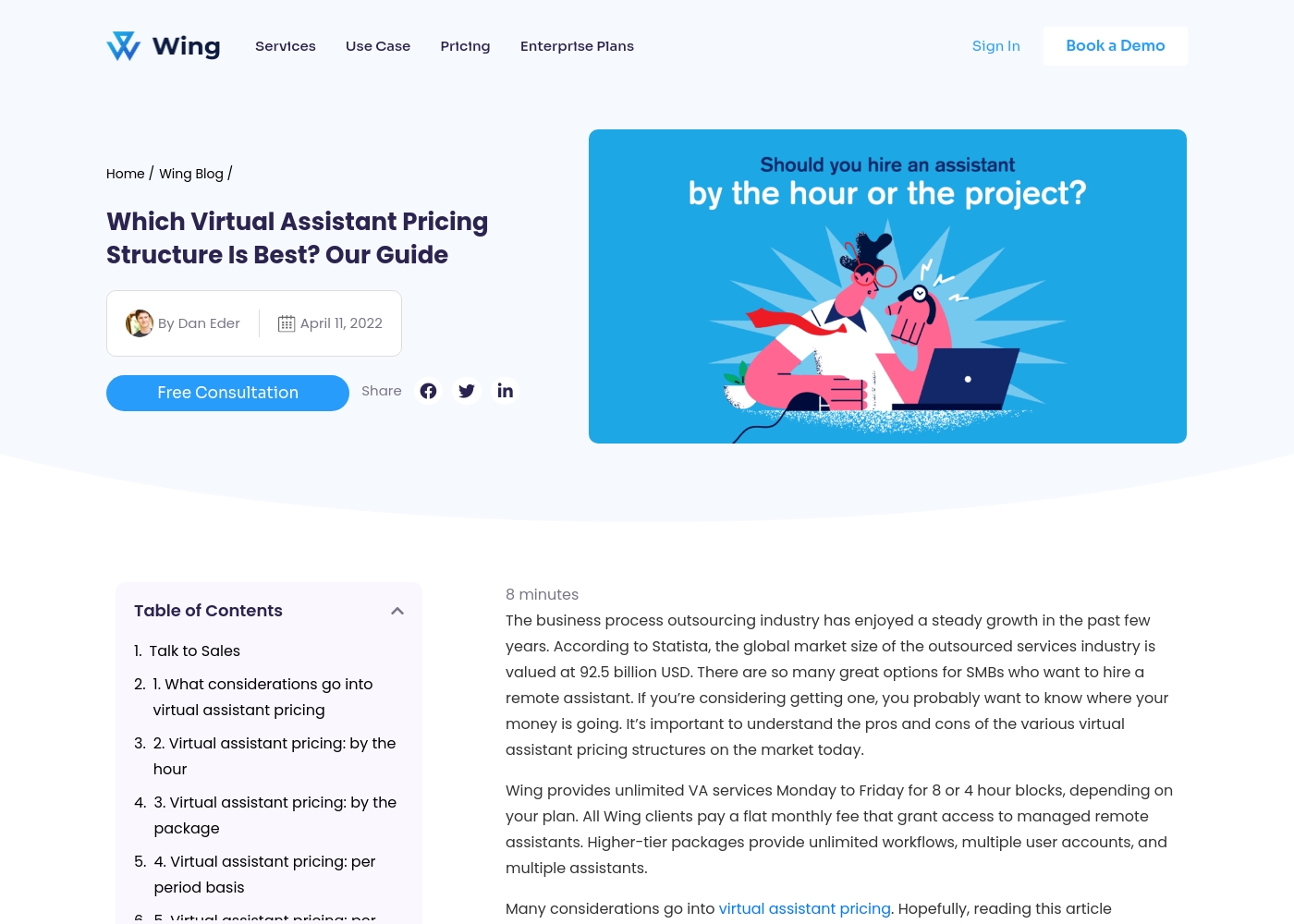
Wing Assistant pricing: Wing Assistant offers subscription-based pricing for dedicated virtual assistants with monthly or quarterly billing options. Packages are based on hours of daily coverage, including either 4 or 8-hour blocks Monday through Friday.
Read on for details about these flat monthly fees and what each entails for your workflow. No hidden costs for specialized skills—all your industry-specific needs like sales or dental support are rolled into the regular rate.
Choose the 80 or 160-hour plan to start scaling your business today with an experienced, managed professional at your side. 🚀 Click the link to view the latest rates or chat with their team for a custom quote that fits your exact operational needs.
Pricing Head-to-Head
用户评论
From the available Capterra snippet, we couldn't gather specific user feedback due to a 403 error. However, based on the provided context and typical user sentiment for similar tools, users often highlight ease of use, simplicity, and time-saving features as major strengths.
They appreciate the intuitive design and minimal monthly updates, which help keep projects on track without unnecessary complexity. Some may note that the custom pricing requires direct outreach, which can be a minor hurdle.
PDWare is incredibly simple to use. Our team spends about an hour a month on updates, which is fantastic. It helps us stay focused on what matters.
We couldn't access specific Trustpilot reviews due to a connection error, and Capterra data was not provided. This means we cannot synthesize a balanced summary of recurring user themes about accuracy, ease of use, support, or value from external platforms. Our website-based assessment is the primary source for this review.
We attempted to gather a testimonial from Trustpilot, but the review page returned a connection error. No specific user feedback could be retrieved from the source at this time.
我们的判断
PDWare and Wing Assistant are fundamentally different tools. One is software for portfolio management. The other is a managed service for virtual assistants. PDWare's superpower is its simplicity and focus. It helps PMOs make smart project decisions without the bloat. Users spend about an hour a month on updates. Wing Assistant's superpower is its dedicated, managed support. It embeds an assistant into your workflows. Customers report reclaiming 25% of CEO time and running 10+ workflows. The deciding factor is your core need. If you need to plan and prioritize projects, PDWare is your answer. If you need someone to handle the daily work, Wing Assistant is the solution. For project portfolio management, choose PDWare. For delegated operational support, choose Wing Assistant. They don't compete—they solve different problems.
常见问题
Is PDWare better than Wing Assistant for project planning?
PDWare is designed for project portfolio management and resource planning. Wing Assistant provides virtual assistant services. If your need is strategic project decisions, PDWare is the better fit.
Can I use Wing Assistant for project management instead of PDWare?
Wing Assistant provides a dedicated virtual assistant for workflows. It doesn't offer portfolio management software. For project planning tools, PDWare is the more appropriate choice.
Which tool is more affordable: PDWare or Wing Assistant?
PDWare uses custom quotes. Wing Assistant has subscription plans. Affordability depends on your specific needs. Contact both for pricing details to compare for your use case.
Does PDOffer have an app like Wing Assistant's Workspace App?
PDWare's features don't mention a dedicated workspace app. Wing Assistant's Workspace App is for tasks and communication. PDWare focuses on portfolio data views.
Is Wing Assistant secure enough for sensitive data?
Wing Assistant is SOC 2 Certified and HIPAA Compliant. It uses managed devices and access controls. For security-sensitive operations, Wing has clear certifications.
Which is easier to set up: PDWare or Wing Assistant?
PDWare is praised for simple implementation. Wing Assistant's onboarding is managed by them. PDWare's setup is for a tool. Wing's is for a service. PDWare is likely quicker to start using.
准备好选择了?
这两个工具都有各自的优点。根据您的具体需求进行选择。