Drip vs Ignition
Drip and Ignition solve completely different problems for online businesses. Drip automates email marketing to turn browsers into buyers for e-commerce stores. Ignition automates proposals and billing to get service businesses paid faster. The right tool depends entirely on whether you sell products or services.

Powerful for e-commerce, but check the support.
We find Drip to be a highly capable email automation platform built specifically for B2C e-commerce. Its visual builder and smart segmentation are standout features for creating personalized customer journeys. Overall, it's a strong choice for online brands, provided your team can manage the learning curve and verify support levels.
Плюсы
- Excellent visual workflow builder for automation
- Deep e-commerce integrations (Shopify, WooCommerce)
- Powerful, behavior-based segmentation tools
- Free migration for large lists (17,500+)
Минусы
- Pricing can become expensive as contacts scale
- Some users report slow or inconsistent customer support
- Requires integration with compatible platforms
- Advanced features may have a learning curve
Solid automation for getting paid faster.
We found Ignition to be a robust platform that truly automates the proposal-to-payment cycle, saving service businesses considerable admin time and improving cash flow. Overall, it's an excellent choice for firms wanting to professionalize their client onboarding and eliminate manual invoicing work.
Плюсы
- Automates proposals, agreements, and upfront billing in one flow.
- Helps eliminate manual payment chasing and reduces accounts receivable delays.
- Provides professional templates and tools to upsell and capture additional work.
- Saves significant admin time with bulk actions and automated renewals.
Минусы
- Pricing, likely annual, may be a barrier for some budgets.
- Requires commitment to a specific workflow, not a simple standalone invoicer.
- Initial setup and learning curve can be steep for some users.
- May have limitations with deep integrations for non-standard accounting software.
ОDrip
Drip is an email marketing automation platform built for B2C companies that sell online. Whether you're an e-commerce brand, a course creator, or a travel provider, it gives you the tools to move beyond generic newsletters. It's designed to be a powerful yet simple engine for driving revenue through personalization. 💡
ОIgnition
Ignition is a platform for service businesses that want to automate proposals, agreements, and billing. 🔄 It's designed for professionals who bill clients for projects or recurring work. The goal is to make getting paid a seamless, automatic part of starting a new engagement.
Основные моменты
Сравнение функций
Обзор функций
Мы выделяем основные различия и выбираем победителя для каждой функции.
Core Purpose
Drip is for email marketing. Ignition is for client billing and agreements.
Drip's entire platform is built around creating automated email sequences. It connects to your store to send messages based on customer behavior like cart abandonment. Ignition focuses on replacing your proposal and invoicing workflow. It lets you send a proposal and collect payment details in one step. The difference is fundamental: Drip helps you sell more products to your audience. Ignition helps you get paid for services you've already sold. Choosing between them isn't about features—it's about your business model. If you sell physical or digital goods, Drip's automation directly impacts your revenue. If you bill clients for projects or retainers, Ignition's automation directly impacts your cash flow.
Automation Engine
Drip automates marketing. Ignition automates payments.
Drip lets you build visual workflows for email. You can set triggers like 'abandoned cart' or 'customer anniversary' and design a series of messages. The automation runs in the background, nurturing leads and customers. Ignition's automation is more linear but powerful. When a client signs your proposal, it automatically schedules their first payment and sets up recurring billing if needed. You never send a manual invoice. The key trade-off: Drip's automation requires ongoing strategy to design effective email flows. Ignition's automation is mostly set-it-and-forget-it once your proposal template is ready. Drip offers more creative control; Ignition offers more operational simplicity.
Reporting & Analytics
Drip offers revenue-focused metrics. Ignition provides business insights.
Drip tracks email-specific metrics like open rates and clicks, but its real strength is tying those to revenue. You can see exactly how much money an automated campaign generated for your store. This helps you optimize for sales. Ignition's reporting likely focuses on business metrics like proposal win rates, average deal size, and revenue forecasted. Its AI-powered insights help you price services more effectively based on data. The critical difference is the goal. Drip's analytics answer 'Which emails drive the most sales?' Ignition's analytics answer 'Which proposals convert and what are they worth?' Each tool provides the right data for its specific job.
Client Experience
Drip creates personalized customer journeys. Ignition creates seamless client onboarding.
Drip's client experience is indirect. You design emails that make individual customers feel seen and valued. A personalized discount for a repeat buyer or a helpful guide for a new student creates a positive brand impression over time. Ignition's client experience is direct and immediate. The moment a client signs your proposal, the process is smooth. They've provided payment info once, and everything is handled. This creates instant professionalism and trust. One builds long-term relationships through communication (Drip). The other builds immediate trust through a frictionless transaction (Ignition). Both are crucial, but for different stages of the customer lifecycle.
Ease of Use
Both aim for simplicity but in different domains.
Drip emphasizes no-code email building. Its visual workflow builder is designed for marketers, not developers. Setup involves connecting your store and using prebuilt templates, which can get you started quickly. Ignition also focuses on streamlining workflow. It replaces multiple tools (proposal doc, e-signature, invoicing) into one flow. The automation saves time, but the initial setup of templates and understanding the agreement flow might have a learning curve. Drip might feel easier if you're familiar with email marketing tools. Ignition might feel easier if you're tired of juggling separate contracts and invoices. The 'easier' choice depends on what administrative pain you're trying to eliminate.
Integration Ecosystem
Drip connects deeply with stores. Ignition connects with business tools.
Drip boasts over 50 integrations, with a heavy focus on e-commerce platforms like Shopify, BigCommerce, and WooCommerce. This allows it to pull in customer data directly for powerful segmentation. It also connects with LMS platforms for course creators. Ignition's integration list is more specialized. It connects with tools service businesses use, like accounting software (XPM) and practice management (Karbon), plus Zapier for custom connections. The focus is on fitting into your existing admin stack. The difference is strategic. Drip integrates at the point of sale to enable marketing. Ignition integrates in the back office to enable operations. Your current tech stack will heavily influence which feels more compatible.
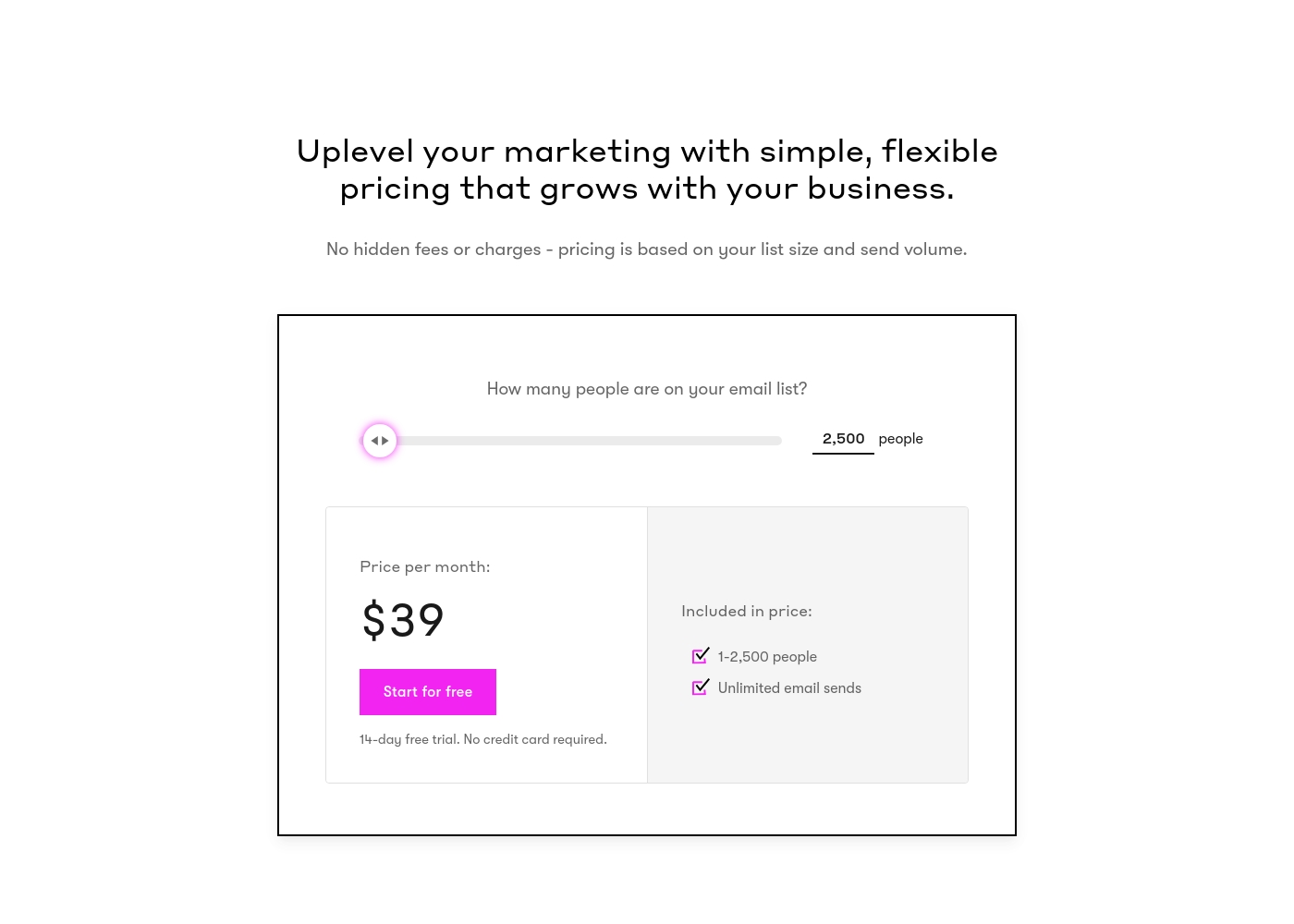
Drip pricing: Drip offers a flexible, usage-based subscription starting at $39/month for up to 2,500 people. Pricing scales based on your email list size and includes a 14-day free trial with no credit card required to start browsing its powerful automation tools tool and visual builder.
Your monthly cost increases as your audience grows, but you always get features like unlimited email sends and onsite campaigns. This ensures you only pay for what you actually use while accessing expert support and pre-built marketing playbooks right from the start.
You can cancel your subscription at any time within your billing settings if your business needs change. This model is specifically designed for e-commerce brands looking for deep segmentation and personalized customer journeys without enterprise-level complexity or hidden fees.
Ignition pricing: Plans from 0 Plans range: 0–200
Pricing Notes
- Drip's cost scales directly with your number of active contacts. It's transparent but can get expensive as your list grows.
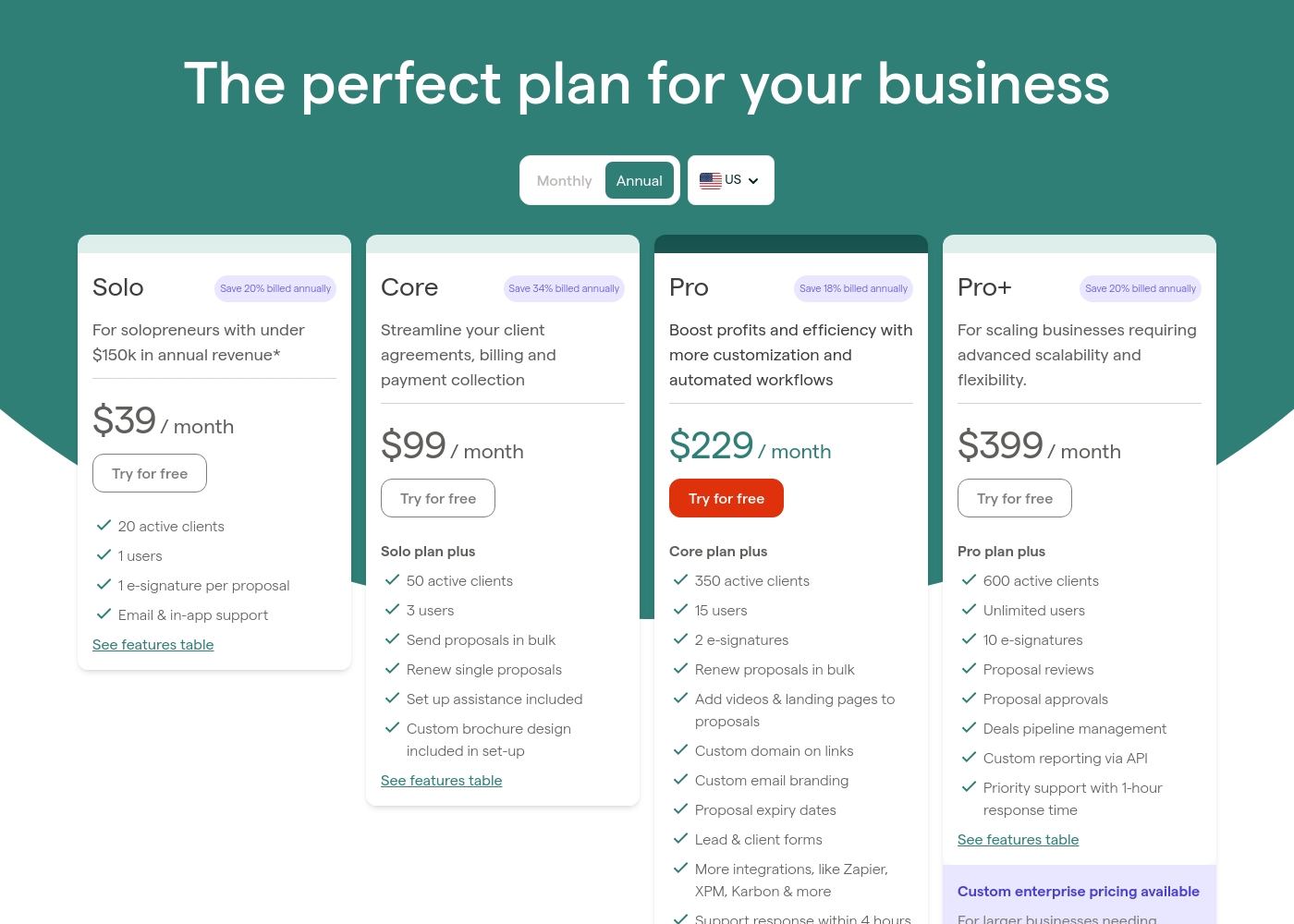
- Ignition's pricing is based on tiered plans that include a set number of active clients and users. It's likely billed annually, which requires a bigger upfront commitment.
- Drip offers a free plan for very small lists, making it accessible for testing. Ignition's trial length isn't specified publicly.
- The value proposition is different: Drip's cost is a marketing expense aimed at generating sales. Ignition's cost is an operational expense aimed at saving admin time and reducing payment delays.
Pricing Head-to-Head
Отзывы пользователей
We found a mixed bag of user sentiment from Trustpilot, as the Capterra link was inaccessible. Reviews praise Drip's powerful automation and segmentation for driving revenue, with many noting its ease of use for e-commerce.
💡 On the downside, several users report frustration with customer support responsiveness and occasional platform glitches. Pricing is frequently cited as a concern, with some feeling the cost can escalate quickly as contacts grow.
Drip's automation tools are top-notch. We set up abandoned cart sequences that really boosted our recovery rate. The visual builder makes it easy to see the customer journey.
Based on external reviews, Ignition receives praise for automating proposals and billing, which users say saves significant time and eliminates payment chasing. Many appreciate the professional client experience and ease of use, especially for integrating agreements and upfront payments.
💡 However, recurring concerns include pricing, which some find expensive, and occasional technical glitches or integration issues. Support responsiveness is noted as a highlight by many, though a few mention a steep initial learning curve and that the annual billing model isn't ideal for all budgets.
Ignition has transformed our proposal and billing process. Getting payment details upfront means we never chase invoices anymore. The automation saves our team hours every week.
Наш вердикт
This isn't a head-to-head battle—it's a choice between two different business engines. Drip wins for anyone selling products online. Its power is turning email into a sales machine that works 24/7. Ignition wins for anyone selling services. Its power is turning proposals into paid contracts without the administrative headache. Drip's superpower is behavior-driven email automation. It connects directly to your Shopify store, sees what customers do, and sends the perfect follow-up. The data shows customers using its segments earn 5x more revenue. That's a concrete return on investment. Ignition's superpower is automating the entire payment process. By collecting payment details with the proposal, it ensures you get paid on time, every time. Users report cutting proposal-to-payment time from weeks to minutes. That's a massive win for cash flow. The deciding factor is simple: Do you need to nurture leads and customers, or do you need to close deals and get paid? Drip is a marketing tool. Ignition is an operations tool. They don't compete—they serve different masterminds. Choose Drip if you run an e-commerce store and want to automate personalized marketing that drives sales. Choose Ignition if you run a service business and want to automate agreements and eliminate payment chasing. Your business model is the only guide you need.
Часто задаваемые вопросы
Can I use Drip for client proposals and billing like Ignition?
No. Drip is focused entirely on email marketing automation for e-commerce. It doesn't handle proposals, contracts, or invoice collection. For those functions, you'd need a separate tool like Ignition.
Is Ignition good for email marketing like Drip?
No. Ignition does not offer email marketing features. Its focus is on automating proposals, agreements, and payment collection. For email campaigns, you would need to integrate it with a separate tool.
Which is cheaper, Drip or Ignition?
Pricing depends on your usage. Drip costs based on your active contact list. Ignition costs based on a plan tier for active clients and users. Drip has a free plan; Ignition's trial length isn't specified. Compare based on your specific list size or client count.
Will Drip integrate with my Shopify store?
Yes. Drip has a deep, native integration with Shopify, as well as BigCommerce and WooCommerce. It's built specifically to pull in customer data from these platforms for powerful segmentation.
Does Ignition integrate with accounting software?
Yes, Ignition integrates with business tools like XPM and Karbon, and uses Zapier for custom connections. This allows it to fit into your existing workflow with accounting or practice management software.
Which tool has better customer support?
Both offer support, but with different styles. Drip highlights live chat under 2 minutes and email replies in 1.6 hours. Ignition offers tiered response times, with Pro+ plans getting 1-hour priority support. Your experience may vary based on your plan.
Готовы выбрать?
Оба инструмента имеют свои сильные стороны. Выбирайте в соответствии с вашими конкретными потребностями.