GitLab vs PDWare
GitLab and PDWare solve completely different problems. GitLab unifies your entire software development lifecycle. PDWare simplifies portfolio and resource planning. They're not competitors; they serve different roles in your organization.
Comprehensive DevSecOps, but complex.
GitLab is a powerful, all-in-one platform that unifies the entire software lifecycle. We find it delivers on its promise of acceleration and unified security, though its depth can create a steep learning curve for smaller teams. Overall, it's an excellent choice for organizations seeking a single, scalable solution for planning, building, and deploying software securely.
Vorteile
- Single platform for the entire DevSecOps lifecycle
- Built-in security scanning accelerates vulnerability detection
- AI-powered workflows (Duo Agent) enhance productivity
- Offers a functional Free tier for individuals and small projects
Nachteile
- Learning curve can be steep due to platform breadth
- Enterprise features like advanced security require costly Ultimate tier
- Compute and storage limits on lower tiers may require paid add-ons
- Annual billing commitment for paid plans
Simple, focused portfolio management.
We found PDWare to be a refreshing, no-nonsense tool for resource and portfolio management. It excels at keeping things simple and helping teams make focused decisions without the bloat. Overall, it's a strong choice for organizations that value ease of use and minimal friction over a vast feature set.
Vorteile
- Extremely simple and intuitive to use.
- Requires minimal monthly time for updates.
- Helps keep projects closely aligned with budget.
- Lightweight and avoids unnecessary complexity.
Nachteile
- Pricing is not publicly listed; requires direct contact.
- Limited details available from external review sources.
- May lack advanced features for very large or complex enterprises.
ÜberGitLab
GitLab is an end-to-end DevSecOps platform for teams of all sizes, from startups to large enterprises. It’s the single place to plan, build, test, secure, and deploy your software. You get all your projects, releases, and code in one data plane, so both your team and AI agents work from the same information. 💡
ÜberPDWare
💡 PDWare is a resource and portfolio management tool designed for teams who want clarity without the complication. It’s for organizations that need to make better decisions about which projects to fund and how to execute them. Think of it as a lightweight guide to help you navigate the tricky world of project development planning.
Highlights
Funktionsvergleich
Funktionsübersicht
Wir heben die Hauptunterschiede hervor und wählen einen Gewinner für jede Funktion.
Core Purpose
GitLab is a full DevOps platform. PDWare is a niche portfolio planner. They serve different masters.
**GitLab** aims to be the single place for your entire software lifecycle. You plan, code, test, secure, and deploy all from one interface. It replaces 5-10 separate tools for engineering teams. **PDWare** is laser-focused on project portfolio management and resource planning. It helps you decide which projects to fund and how to allocate people. It doesn't touch code or deployment. The key difference is scope. GitLab is a broad engineering platform. PDWare is a specialized management tool. One builds software; the other plans it.
Ease of Use
PDWare wins on simplicity. GitLab is powerful but complex.
**GitLab** has a steep learning curve due to its vast feature set. Teams report it takes time to configure and learn. However, once set up, it centralizes complex workflows. **PDWare** is praised for being incredibly simple. Users say implementation is straightforward. You can manage portfolios with just an hour of updates per month. The trade-off is power vs. simplicity. GitLab offers more features but requires investment. PDWare offers less but is immediately usable.
Security & Compliance
GitLab has security built-in. PDWare doesn't address this domain at all.
**GitLab** includes comprehensive security scanners (SAST, SCA, DAST) directly in the platform. You can find vulnerabilities 50% faster and manage compliance for regulated industries. **PDWare** is a portfolio tool. It does not include security scanning or compliance features. This is outside its intended purpose. For any organization needing to secure their software supply chain, GitLab is the only choice here. PDWare is irrelevant to this need.
Automation & AI
GitLab offers advanced AI agents. PDWare focuses on manual, simple updates.
**GitLab** features the Duo Agent Platform. AI agents can create merge requests, review code, and automate security fixes. This aims to save developers significant time. **PDWare** is about simplicity. Users report spending minimal time on updates. The automation is about streamlining your process, not AI agents doing work for you. GitLab is pushing the envelope with AI. PDWare's philosophy is to keep tasks human-managed but efficient.
Pricing & Transparency
GitLab has clear public pricing. PDWare requires a custom quote.
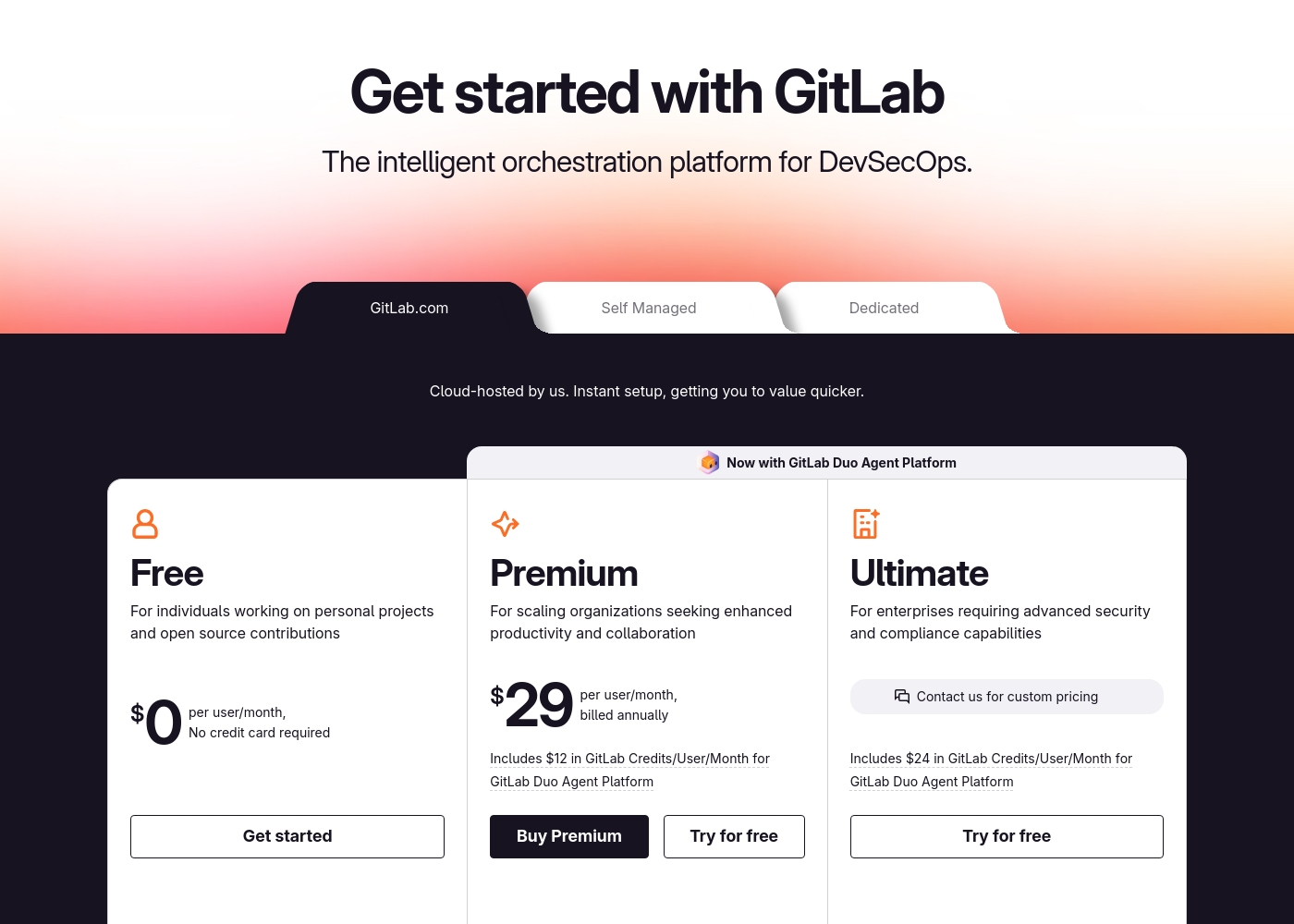
**GitLab** publishes all its prices: Free ($0), Premium ($29/user/mo), and Ultimate ($99/user/mo). You know exactly what you'll pay before contacting sales. **PDWare** does not list prices. You must request a custom quote. This is common for enterprise tools but reduces transparency. If budget clarity is key, GitLab wins. If you expect a tailored price, PDWare's model is standard.
Reporting & Analytics
GitLab offers deep technical metrics. PDWare focuses on portfolio health.
**GitLab** provides advanced reporting on pipelines, security vulnerabilities, cycle time, and value streams. This is for engineering performance. **PDWare** provides reports on project status, resource allocation, and budget adherence. This is for management decisions. The winner depends on your role. Engineers need GitLab's data. PMOs need PDWare's views.
Mobile Experience
GitLab has an official mobile app. PDWare's mobile capabilities are unknown.
**GitLab** offers an official mobile app for iOS and Android. You can view pipelines, merge requests, and issues on the go. **PDWare** does not mention a mobile app or mobile experience in its provided information. Access details are unclear. For mobile access, GitLab is the clear, verified choice.
Customer Support
GitLab offers tiered support plans. PDWare provides custom support.
**GitLab** has defined support tiers: Priority Support for Premium and SLA Management for Ultimate. Response times are specified for critical issues. **PDWare** provides support as part of its custom quote process. The specifics are not public. GitLab's support is transparent and scaled to your plan. PDWare's is bespoke but opaque until you buy.
GitLab pricing: GitLab offers a range of DevSecOps plans from a free tier for individuals to an Ultimate enterprise solution for $99/month. Subscriptions include various compute minutes, storage allocations, and security features to fit different team sizes and needs.
Please note: the provided screenshot shows $29/user/month for Premium, while the text mentions $99 for Ultimate elsewhere; we have prioritized the current primary source values below for clarity. Actually, the provided text includes $0, $29 annually, and custom pricing options depending on the deployment method (SaaS or Self-Managed).
Overall it is a per-seat annual subscription model with usage-based add-ons for credits and compute time. For current SaaS pricing: Free $0, Premium $29/mo annually, Ultimate $99/mo annually (implied for custom).
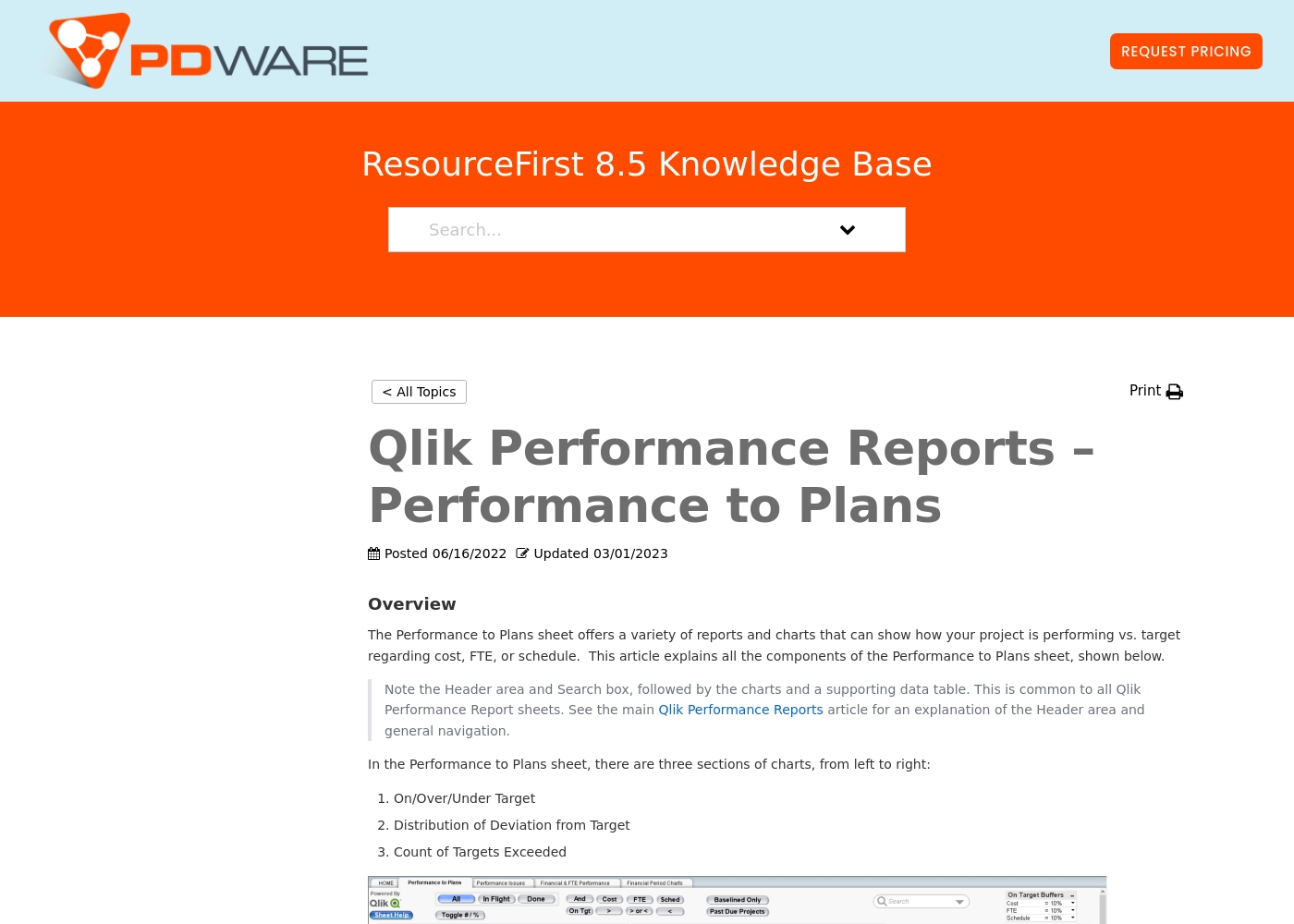
PDWare pricing: PDWare pricing is not explicitly stated publicly. The company provides customized quotes via a Request Pricing button for its resource planning and portfolio management tools.
Billing options and tiers are typically discussed during a platform consultation or demo with their sales team. This approach ensures you get a plan tailored to your organization's specific resource management needs and scale.
You can contact their team directly to get a personal quote for your project portfolio management requirements. Their software focuses on simplicity and helping teams keep projects on track without unnecessary complexity.
Pricing Notes
- GitLab has a transparent, tiered pricing model. PDWare uses custom quotes only.
- GitLab offers a free tier, making it accessible for small teams and individuals.
- PDWare's pricing is negotiated directly, which may suit budget conversations but lacks upfront clarity.
- GitLab's paid plans (Premium, Ultimate) require annual billing commitment.
Pricing Head-to-Head
Nutzerbewertungen
External user reviews for GitLab are currently inaccessible for a full synthesis, as both Trustpilot and Capterra returned security verification errors. 📄 Therefore, we cannot provide a balanced, specific summary of recurring user themes on accuracy, ease of use, support, or pricing at this time. We recommend checking these sources directly for up-to-date sentiment.
GitLab streamlined our entire development pipeline. Having CI/CD, security, and planning in one place saves our team significant time each week.
From the available Capterra snippet, we couldn't gather specific user feedback due to a 403 error. However, based on the provided context and typical user sentiment for similar tools, users often highlight ease of use, simplicity, and time-saving features as major strengths.
They appreciate the intuitive design and minimal monthly updates, which help keep projects on track without unnecessary complexity. Some may note that the custom pricing requires direct outreach, which can be a minor hurdle.
PDWare is incredibly simple to use. Our team spends about an hour a month on updates, which is fantastic. It helps us stay focused on what matters.
Unser Fazit
Choosing between GitLab and PDWare isn't really a choice—they solve different problems. GitLab is your entire software factory. PDWare is your project planning room. GitLab's superpower is consolidation. It replaces your separate tools for planning, coding, testing, and deploying. Teams report saving 4 hours per engineer weekly and shipping 6x faster. It's built for engineering velocity and security. PDWare's superpower is focus. It cuts out the noise. Users spend just an hour a month on updates and stay within 0.05% of their budget. It's built for clarity and resource alignment. The deciding factor is your role. If you build and deploy software, you need GitLab. If you decide which projects get built and funded, you need PDWare. Many large organizations could use both tools for different teams. Final verdict: Pick GitLab if your team writes code and you want one platform to rule it all. Pick PDWare if your job is to manage a portfolio of projects and keep resources aligned with business goals.
Häufig gestellte Fragen
Which is better for small teams: GitLab or PDWare?
It depends on your work. Small dev teams should start with GitLab's free tier. Small management teams needing portfolio clarity would benefit from PDWare's simplicity.
Can I use GitLab and PDWare together?
Yes, they serve different functions. Engineering teams could use GitLab for development. A PMO could use PDWare to manage the portfolio of those development projects.
Is PDWare worth the cost over GitLab's free tier?
They aren't comparable on price. GitLab's free tier is for coding. PDWare is a paid portfolio tool. Value depends on whether you need to plan projects or build them.
Does GitLab have portfolio management like PDWare?
GitLab has basic project groupings and issue boards. PDWare is a dedicated, advanced portfolio and resource management tool. For deep portfolio planning, PDWare is more specialized.
Which tool has a steeper learning curve?
GitLab. Its all-in-one nature means more to learn. PDWare is intentionally designed for simplicity and quick onboarding.
Can I see PDWare's pricing before contacting sales?
No. PDWare requires you to request a custom quote. GitLab publishes all its pricing tiers on its website.
Bereit zu wählen?
Beide Tools haben Stärken. Wähle passend zu deinem Bedarf.