Drip vs Reply.io
Drip and Reply.io serve different masters. Drip is the e-commerce email wizard. Reply.io is the multichannel sales powerhouse. Choosing between them depends entirely on your goal.

Powerful for e-commerce, but check the support.
We find Drip to be a highly capable email automation platform built specifically for B2C e-commerce. Its visual builder and smart segmentation are standout features for creating personalized customer journeys. Overall, it's a strong choice for online brands, provided your team can manage the learning curve and verify support levels.
Vorteile
- Excellent visual workflow builder for automation
- Deep e-commerce integrations (Shopify, WooCommerce)
- Powerful, behavior-based segmentation tools
- Free migration for large lists (17,500+)
Nachteile
- Pricing can become expensive as contacts scale
- Some users report slow or inconsistent customer support
- Requires integration with compatible platforms
- Advanced features may have a learning curve
KI-gestützte Multichannel-Akquise mit branchenweit bestem Support.
Reply.io ist eine zuverlässige, KI-gestützte Plattform, die entwickelt wurde, um Vertriebsakquise mithilfe anspruchsvoller Multichannel-Sequenzen zu optimieren. Wir fanden die Preisstruktur sehr flexibel und anpassbar, von wesentlichen E-Mail-Volumenplänen ab 49 $/Nutzer/Monat bis hin zu vollautomatisierten KI-SDR-Diensten. Insgesamt halten wir Reply.io aufgrund seines robusten Funktionsumfangs, der tiefgreifenden Zustellbarkeits-Tools und des branchenweit besten Kundensupports für eine Top-Wahl zur Skalierung komplexer Vertriebskampagnen.
Vorteile
- Außergewöhnlich reaktionsschneller Kundensupport (oft Minuten, nicht Stunden).
- Robuste und zuverlässige Plattform für die Skalierung von Multichannel-Kampagnen (E-Mail und LinkedIn).
- Umfassende Suite von KI-Tools, einschließlich erweiterter Personalisierung und des Jason AI SDR Agenten.
- Starker Fokus auf Zustellbarkeit mit unbegrenztem E-Mail-Warm-up und Anti-Spam-Funktionen.
Nachteile
- Eine deutliche anfängliche Lernkurve aufgrund der Komplexität und der Anpassungsmöglichkeiten des Tools.
- Benutzer berichten gelegentlich von temporären Problemen, bei denen Funktionen nicht logisch funktionieren.
- Technische Probleme, obwohl selten, erfordern manchmal viel Zeit und Hin- und Her-Kommunikation, um vollständig gelöst zu werden.
ÜberDrip
Drip is an email marketing automation platform built for B2C companies that sell online. Whether you're an e-commerce brand, a course creator, or a travel provider, it gives you the tools to move beyond generic newsletters. It's designed to be a powerful yet simple engine for driving revenue through personalization. 💡
ÜberReply.io
Reply.io ist eine zuverlässige KI-Vertriebsplattform, die entwickelt wurde, um Vertriebsteams dabei zu helfen, intelligenter zu verkaufen und ihre Akquise zu skalieren. Tatsächlich vertrauen weltweit über 3.000 Unternehmen unseren Diensten.
Wir vereinen Zielgruppensuche, KI-Personalisierung und einheitliche Kommunikation an einem Ort. Es ist wirklich Ihre Geheimwaffe, um mehr Deals abzuschließen und Ihre Vertriebspipeline zu füllen. 💡
Highlights
Funktionsvergleich
Funktionsübersicht
Wir heben die Hauptunterschiede hervor und wählen einen Gewinner für jede Funktion.
Core Focus
Drip is built for e-commerce revenue. Reply.io is built for sales pipeline generation.
**Drip** is laser-focused on helping B2C brands (like Shopify stores) turn browsers into buyers. Its entire feature set, from segmentation to automation, is designed to increase customer lifetime value. **Reply.io** is a sales engagement platform. It's built for B2B teams to find prospects, run personalized multichannel outreach, and book meetings. The key difference is the end goal. Drip nurtures existing customers. Reply.io finds and converts new leads. **Example:** A gift shop uses Drip for post-purchase follow-ups. A SaaS company uses Reply.io to contact potential enterprise clients.
Automation Power
Drip automates customer journeys. Reply.io automates sales sequences.
**Drip** offers a visual builder for creating automated email sequences based on customer behavior, like cart abandonment or browsing history. It's about nurturing the customer lifecycle. **Reply.io** creates complex, conditional sequences that branch based on prospect actions across multiple channels (email, LinkedIn, SMS). It's about managing a sales cadence. Drip's automation is reactive to customer data. Reply.io's automation is proactive in initiating contact. **Impact:** Drip helps you retain and sell more to your list. Reply.io helps you build a list and start conversations.
AI & Personalization
Reply.io has a massive AI advantage with autonomous agents and deep personalization.
**Drip** uses data fields for personalization, inserting things like first names or product details into emails. It's effective but straightforward. **Reply.io** features AI Variables to generate unique, hyper-personalized email copy. It also offers a fully autonomous Jason AI SDR agent that can handle prospecting and outreach 24/7. This is a major difference. Reply.io is using AI to write content and run campaigns. Drip is using data to personalize templates. **Example:** Reply.io's AI can write a unique email referencing a prospect's recent LinkedIn post.
Deliverability
Reply.io has a dedicated, advanced deliverability suite. Drip focuses on core compliance.
**Drip** helps ensure emails reach inboxes by following compliance standards like CAN-SPAM and GDPR. Its focus is on transactional and marketing emails to known subscribers. **Reply.io** provides over 30 specialized deliverability features, including unlimited email warm-up and an anti-spam suite. This is critical for cold outreach to protect sender reputation. For marketing to your own list, Drip's approach is sufficient. For cold outreach, Reply.io's tools are essential. **Risk:** Using Drip for cold email would likely get your domain flagged. Reply.io is built for it.
Customer Support
Reply.io users consistently rave about exceptional, fast support. Drip's support gets mixed reviews.
**Drip** reports a 97.3% satisfaction score and fast chat response times. However, user reviews on Trustpilot cite frustration with slow or inconsistent support responses. **Reply.io**'s support is a standout feature. Users report responses in minutes via chat, with agents resolving complex issues quickly. It's a major selling point. This is a clear gap in user perception. Reply.io has built a reputation for stellar support. Drip's experience seems more variable. **Evidence:** Trustpilot reviews for Reply.io are overwhelmingly positive about support. Drip reviews are more mixed.
Pricing & Value
Drip's pricing can scale high with contacts. Reply.io's per-user model is predictable for teams.
**Drip** starts at $39/month for 2,500 contacts. Its usage-based model means your bill grows directly with your email list size, which can become expensive. **Reply.io** starts at $49/user/month. The cost is primarily per sales rep, with scaling based on active contacts per month. For a team, this can be more predictable. Drip's cost is tied to your audience size. Reply.io's cost is tied to your team size and outreach volume. **Consideration:** A 50-person sales team using Reply.io will have very different costs than a solo e-commerce brand using Drip.
Ease of Use
Drip aims for simplicity for marketers. Reply.io has a learning curve for its power.
**Drip** emphasizes a simple setup process. Connect your store, import your list, and use pre-built templates. The visual builder is designed for non-technical users. **Reply.io** is a comprehensive platform. Its deep customization, multichannel setup, and AI features mean a steeper learning curve initially. Users report it's intuitive once learned. Drip is likely easier to get started with for its specific use case. Reply.io offers more power but requires more investment to master. **Trade-off:** Simplicity vs. comprehensive power.
Integration Ecosystem
Drip integrates deeply with e-commerce. Reply.io integrates broadly with sales tools.
**Drip** has 50+ integrations, with deep connections to e-commerce platforms like Shopify, BigCommerce, and WooCommerce. It also connects to booking systems and LMS. **Reply.io** focuses on CRMs like Salesforce, HubSpot, and Pipedrive. It uses Zapier and an API for broader connectivity. It also has a LinkedIn automation add-on. Drip's integrations are about pulling store data for marketing. Reply.io's are about syncing with your sales stack. **Best Fit:** Drip for Shopify owners. Reply.io for Salesforce users.
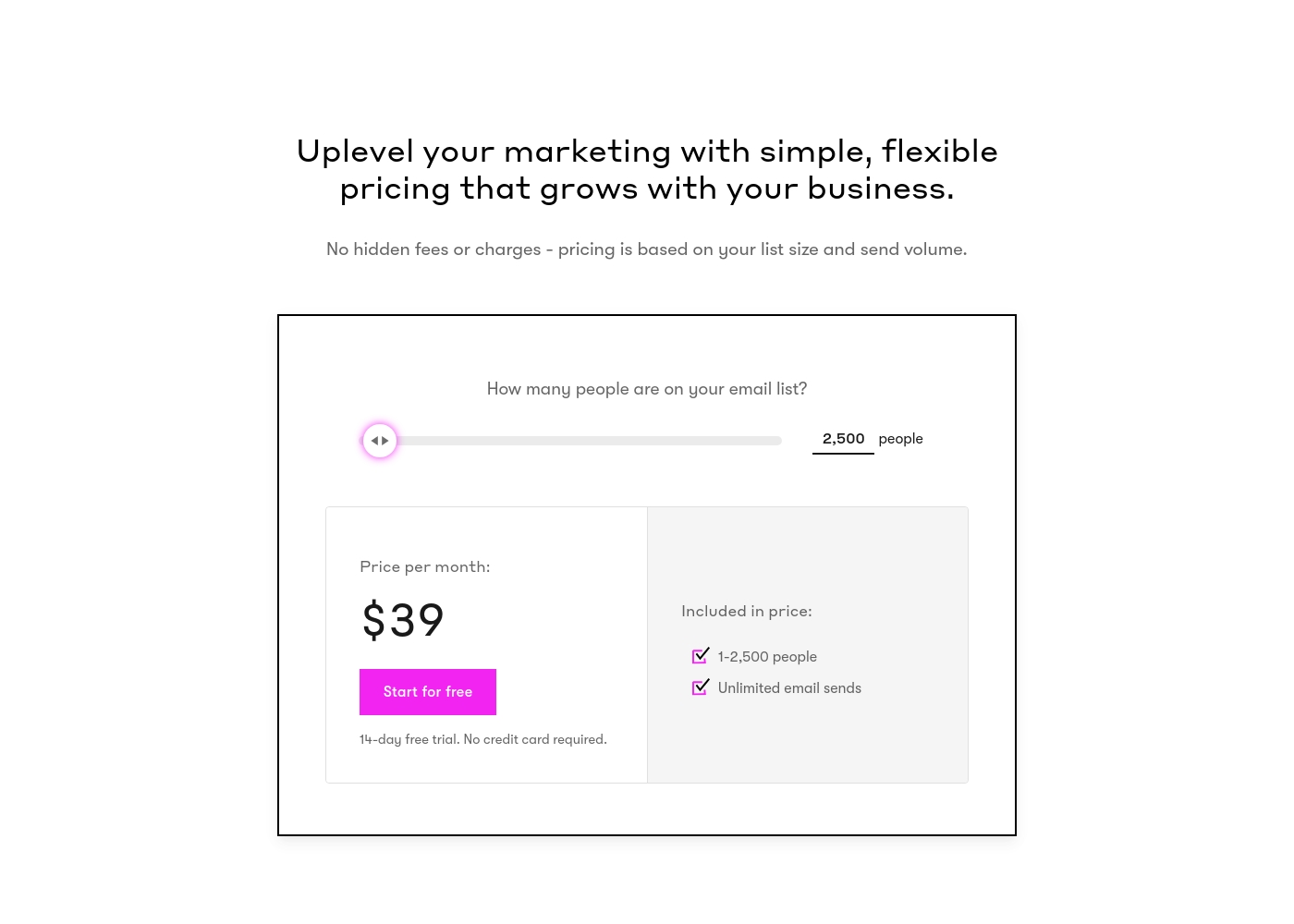
Drip pricing: Drip offers a flexible, usage-based subscription starting at $39/month for up to 2,500 people. Pricing scales based on your email list size and includes a 14-day free trial with no credit card required to start browsing its powerful automation tools tool and visual builder.
Your monthly cost increases as your audience grows, but you always get features like unlimited email sends and onsite campaigns. This ensures you only pay for what you actually use while accessing expert support and pre-built marketing playbooks right from the start.
You can cancel your subscription at any time within your billing settings if your business needs change. This model is specifically designed for e-commerce brands looking for deep segmentation and personalized customer journeys without enterprise-level complexity or hidden fees.
Reply.io kostet zwischen 49 $/Nutzer/Monat und 3000 $/Monat über vier Haupteinstiegspunkte: Email Volume ab 49 $/Nutzer/Monat, Multichannel ab 89 $/Nutzer/Monat, AI SDR ab 500 $/Monat und Agency Starter ab 166 $/Monat.
Im Folgenden finden Sie die wichtigsten verfügbaren Preisstufen. Denken Sie daran, dass die Wahl der Jahresabrechnung Einsparungen von bis zu 17 % oder mehr im Vergleich zu monatlichen Raten ermöglicht.
Email Volume
Preis: Ab 49 $ pro Nutzer/Monat (Jährlich abgerechnet) Unterstützte Websites: Nicht explizit angegeben Am besten für: Hochvolumige Akquise, die sich rein auf E-Mail konzentriert. Rückerstattungsrichtlinie: Nicht explizit angegeben Weitere Funktionen:
- Unbegrenzte Mailboxen und E-Mail-Warm-up.
- Unbegrenzte E-Mails an aktive Kontakte.
- Jeden Monat 50 Live-Daten-Credits.
- Anti-Spam- und Zustellbarkeits-Suite enthalten.
- Unbegrenzte Mailboxen
- Unbegrenztes E-Mail-Warmup
- Unbegrenzte E-Mails
- Anti-Spam- & Zustellbarkeits-Suite
- E-Mail-Automatisierung (10 Mailboxen)
- LinkedIn-Automatisierung (kostenpflichtiges Abo erforderlich)
- Calls & SMS Automatisierung (kostenpflichtiges Abo erforderlich)
- Unbegrenzte aktive Kontakte und E-Mail-Warmup
- Jason AI einstellen (Vollautomatisierte Lösung)
- KI-Personalisierung & generierte Antworten
- Multichannel-Automatisierung
- Unbegrenzte Mailboxen & Warm-ups
- Unbegrenzte Clients und Nutzer
- Unbegrenztes E-Mail-Warm-up
- Zentralisierte Inbox
- Dedizierter Support und benutzerdefinierte Rollen/Berechtigungen
Pricing Notes
- Drip's pricing is purely usage-based, determined by your number of active contacts and email volume. There are no per-user fees.
- Reply.io's pricing is hybrid: per-user (seat) plus usage based on 'active contacts' you email per month.
- Drip offers a free 14-day trial with no credit card required. Reply.io offers a 14-day free trial for its Multichannel plan.
- For a large team, Reply.io's per-user model can be more predictable than Drip's scaling contact-based model.
- Reply.io's AI SDR plans (starting at $500/month) are a significant premium over standard subscriptions.
Pricing Head-to-Head
Nutzerbewertungen
We found a mixed bag of user sentiment from Trustpilot, as the Capterra link was inaccessible. Reviews praise Drip's powerful automation and segmentation for driving revenue, with many noting its ease of use for e-commerce.
💡 On the downside, several users report frustration with customer support responsiveness and occasional platform glitches. Pricing is frequently cited as a concern, with some feeling the cost can escalate quickly as contacts grow.
Drip's automation tools are top-notch. We set up abandoned cart sequences that really boosted our recovery rate. The visual builder makes it easy to see the customer journey.
Nutzer von Reply.io berichten durchweg von positiven Erfahrungen und heben den herausragenden Kundensupport als große Stärke hervor. Rezensenten erwähnen häufig, dass das Support-Team unglaublich reaktionsschnell ist und oft sofortige Hilfe per Chat leistet sowie komplexe Probleme schnell löst – manchmal innerhalb weniger Minuten.
Diese starke Unterstützung hilft Nutzern, die leistungsstarken Funktionen der Plattform zu meistern. Funktional loben die Nutzer die Zuverlässigkeit und die robusten Fähigkeiten von Reply.io zur Skalierung der Akquise.
Das Support-Team von Reply.io ist wirklich außergewöhnlich. Die menschliche Interaktion, die ich mit ihnen habe, ist besser als bei jeder anderen Software, die ich derzeit für meinen Job nutze. Der Chat-Assistent bietet zudem großartige Erst-Unterstützung.
Unser Fazit
Here's the bottom line: Drip and Reply.io aren't really competing tools. They're specialists for different jobs. Drip is the e-commerce email expert. Its superpower is turning a Shopify store's customer data into automated, revenue-driving campaigns. Think abandoned cart sequences and personalized post-purchase flows. Reply.io's superpower is building a sales machine from scratch. It's the multichannel outreach king. It finds prospects, writes unique AI-personalized messages, and manages conversations across email, LinkedIn, and SMS. The deciding factor is simple: Are you marketing to people who already know you, or finding people who don't? Drip nurtures the former. Reply.io finds the latter. Pick Drip if you run an online store and want to automate your customer communication to boost repeat sales. Pick Reply.io if your sales team needs a powerful, AI-driven engine to book more meetings and fill the pipeline. There's no overlap—your business goal tells you which one to choose.
Häufig gestellte Fragen
Which is better for small teams: Drip or Reply.io?
It depends on your focus. For a small e-commerce business, Drip is better for marketing automation. For a small sales team doing outreach, Reply.io is the stronger choice.
Does Drip have LinkedIn outreach like Reply.io?
No. Drip is focused on email and onsite marketing. Reply.io offers LinkedIn Automation as a paid add-on for its Multichannel plan, enabling true multichannel sequences.
Is Reply.io worth the extra cost over Drip?
If you need B2B sales outreach with AI and multichannel sequences, yes. If you need B2C email marketing for an online store, Drip will be more cost-effective and appropriate.
Can I migrate from Drip to Reply.io easily?
They serve different purposes, so a direct migration isn't typical. You would likely use Drip for marketing and Reply.io for sales. Both have import features for contacts.
Which tool has better email deliverability?
Reply.io has a more advanced deliverability suite for cold outreach, including unlimited warm-up. Drip focuses on deliverability for marketing emails to subscribers. For cold email, Reply.io is superior.
Do both tools offer a free trial?
Yes. Drip offers a 14-day free trial. Reply.io also offers a 14-day free trial for its Multichannel plan, plus a free option on its Email Volume plan.
Bereit zu wählen?
Beide Tools haben Stärken. Wähle passend zu deinem Bedarf.